
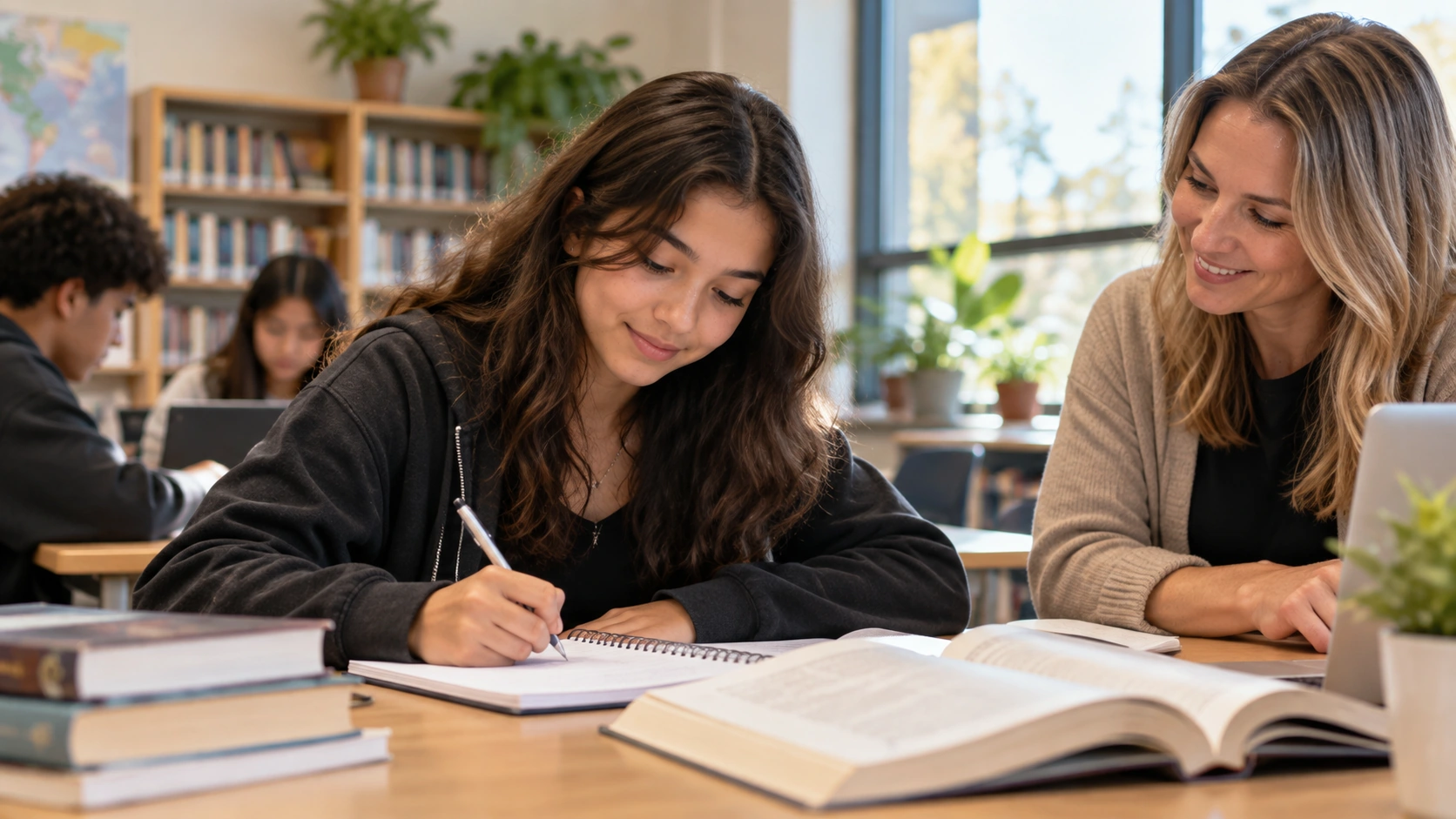
Description
This Grade 11 course introduces the fundamental principles and procedures of accounting. Students learn how accounting information is used to make business decisions, complete accounting cycles for service and merchandising businesses, and use spreadsheet and accounting software to connect manual and computerized processes.
What You’ll Learn
- Understand the role of accounting and the differences among common forms of business organization.
- Complete the accounting cycle for a service business using source documents, journals, ledgers, trial balances and financial statements.
- Apply accounting procedures for a merchandising business, including inventory, purchases, sales and sales tax.
- Use spreadsheets and teacher-approved accounting software to connect manual and computerized accounting processes.
- Analyze financial statements, ratios and performance measures to support business decisions.
- Examine internal controls, ethics, technology, privacy, security and career opportunities in accounting.
Skills You’ll Develop
- Accounting procedures and record keeping
- Financial statement preparation and analysis
- Spreadsheet and computerized accounting
- Accuracy, reconciliation and error checking
- Business decision making and ethical reasoning
Learning Outcomes
- Describe the discipline of accounting and explain its importance for business.
- Apply the basic accounting cycle for a service business.
- Apply accounting procedures for a merchandising business and sales tax.
- Use accounting practices in a computerized environment.
- Explain internal-control procedures and their role in financial management.
- Evaluate the financial status of a business using financial statements and performance measures.
- Explain how accounting information supports decision making.
- Assess ethical and technological issues in accounting and identify related career pathways.